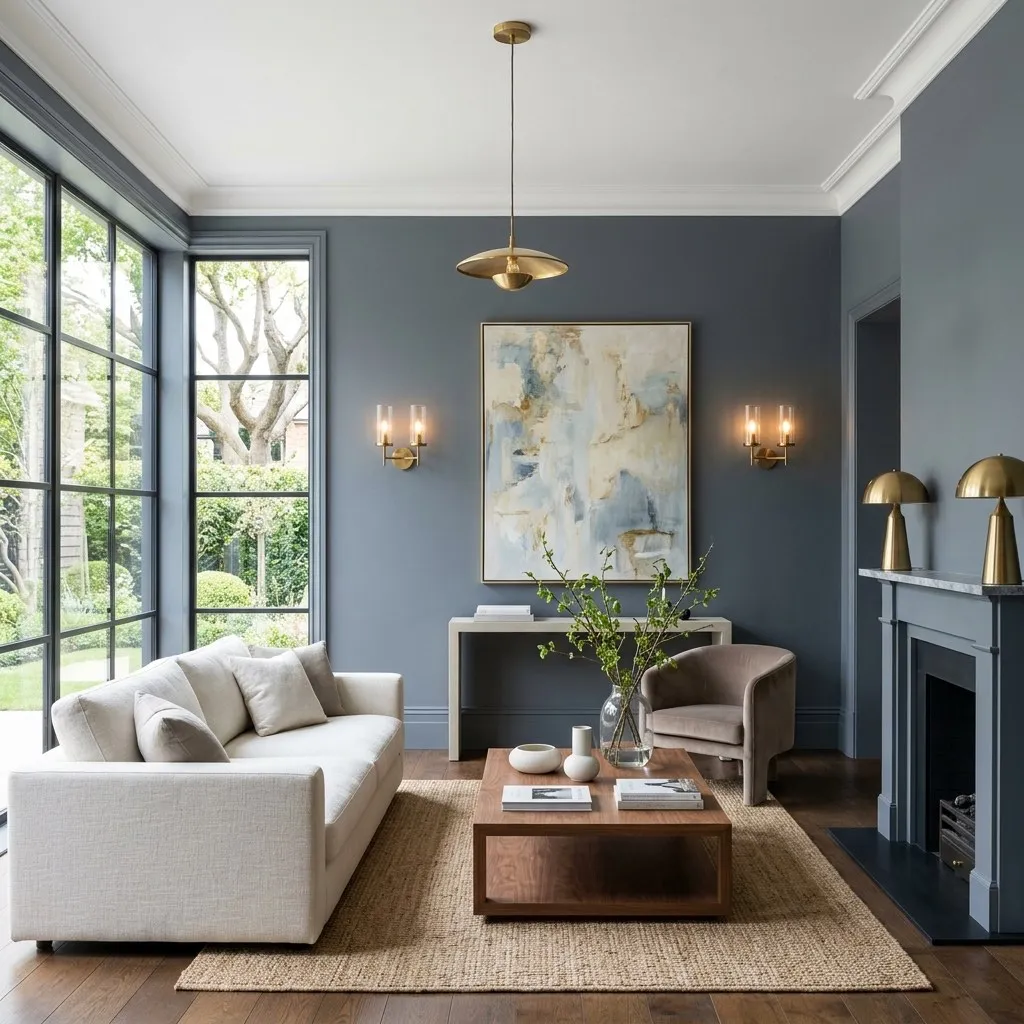
Our 5-Step Decorating Process
We don't just paint over problems. We follow a strict 5-step protocol on every residential project to guarantee a flawless, long-lasting finish.
Detailed Survey
We assess substrate conditions, check for damp, and provide a completely transparent, fixed-price written quotation.
Absolute Protection
Before opening a single tin of paint, we mask all hard floors with correx and cover furniture with clean, static dust sheets.
Dust-Free Prep
We use Festool M-class dust extraction sanders. This removes 99.9% of dust at the source, creating perfectly smooth surfaces without the mess.
Premium Coating
We apply high-opacity primers and luxury topcoats (from brands like Little Greene or Farrow & Ball) using professional trade techniques.
Final Snagging
We perform a rigorous quality check under halogen lighting, clean up entirely, and invite you for a final walk-through.
Our Interior Painting Process
Preparation often takes longer than applying the finish coats. The exact process depends on the existing coating, surface damage, moisture, stains, and the finish selected. The six stages below explain what may be included in a detailed quote.
Step 1: Consultation & Colour Advice
Every project begins with a free, no-obligation home visit. We walk through each room with you, discuss your vision, and offer professional colour advice tailored to your lighting conditions, room proportions, and existing furnishings. We carry colour cards from Dulux Trade, Farrow & Ball, Little Greene, and Crown Trade, and we're happy to arrange test pots so you can see how shades look in your space at different times of day. Choosing the right colour under the right light is one of the most overlooked steps in decorating — we make sure you get it right before a single tin is opened.
Step 2: Furniture Protection & Room Prep
Before any work begins, we protect your home thoroughly. All floors are covered with heavy-duty cotton dust sheets (never thin plastic, which can slip underfoot). Furniture is moved to the centre of the room and wrapped in clean protective sheeting. We remove light switch plates, socket covers, curtain rails, and any wall-mounted fittings. All edges around glass, architraves, and fixtures are masked with professional-grade decorator's tape (such as Frog Tape or 3M Blue) to guarantee clean, razor-sharp lines.
Step 3: Surface Preparation
Cracks, dents, nail holes, open joints, and unstable coatings need to be assessed before filling or sanding. The filler and primer should suit the substrate and the movement expected at each joint. Where mechanical sanding is appropriate, extraction and containment can reduce airborne dust, but no method removes it completely. Floors, furniture, electronics, and adjacent rooms still need protection.
Step 4: Priming
Correct priming is essential. For stain-blocking — covering water marks, nicotine yellowing, tannin bleed from knots, or persistent marks — we use Zinsser BIN Shellac Primer, the gold standard for sealing difficult substrates. On bare or newly skimmed plaster, we apply a diluted mist coat using Dulux Trade Supermatt (roughly 70% paint, 30% clean water) to seal the porous surface without creating a film that could peel. Bare timber receives a dedicated wood primer such as Dulux Trade Wood Primer or Zinsser Cover Stain to ensure the topcoat adheres evenly and doesn't sink.
Step 5: Walls & Ceilings
With preparation complete, we apply a minimum of two full coats of your chosen emulsion. We cut in by hand using high-quality angled brushes (typically Purdy XL or Hamilton Prestige) for precise lines around edges, coving, and fixtures. Large wall areas are rolled using Purdy White Dove or ProDec Advance medium-pile rollers, which give an exceptionally smooth, even lay-off with zero stipple marks. We allow proper drying time between coats — typically four to six hours for water-based emulsions — to ensure full adhesion and uniform colour depth. We work with all finishes: matt (ideal for living rooms and bedrooms), silk (popular for hallways and kitchens due to its wipeable surface), and eggshell emulsions (a durable, low-sheen finish gaining popularity for modern interiors).
Step 6: Woodwork & Trim
All interior woodwork — skirting boards, architraves, door frames, window casements, dado rails, and built-in furniture — receives the same meticulous treatment. After sanding and priming, we apply two coats of satinwood or eggshell for a hard-wearing, washable finish. For a premium, ultra-smooth result, we recommend Little Greene Intelligent Satinwood — a water-based alkyd hybrid that flows like traditional oil paint but dries quickly with minimal odour. For high-traffic areas or period properties, we may suggest Dulux Trade Diamond Satinwood for its exceptional scuff resistance. Every brush stroke is laid off carefully in the direction of the grain for a factory-smooth appearance.
What We Paint:
- ✓Walls & Ceilings (Matt, Silk, Eggshell)
- ✓Woodwork: Skirting Boards & Architraves
- ✓Doors, Frames & Built-in Wardrobes
- ✓Sash Windows & Bay Window Casements
- ✓Feature Walls & Colour Consultations
- ✓Coving & Period Plaster Mouldings
Ready to request an estimate?
Free ConsultationWhat Our Hertfordshire Clients Say
Don't just take our word for it. Read verified reviews from homeowners across the county.
"The team redecorated our entire ground floor. The dust-free sanding is no joke—there was literally zero mess. The finish on the woodwork is like glass. Highly recommend them for high-end properties."
"We had our old uPVC windows sprayed and the master bedroom wallpapered. The transformation is incredible. They arrived on time, were incredibly polite, and tidied up perfectly every single day."
"Restored the sash windows on our Edwardian house. We thought they were beyond repair, but the epoxy resins they used worked magic. The final paint job is immaculate and they operate flawlessly now."
Interior Paint Finish Guide
Choosing the right sheen level affects both the look and the practicality of your walls. Here's a breakdown of the most common interior finishes we work with across Hertfordshire homes.
| Finish | Sheen Level | Best For | Pros | Cons |
|---|---|---|---|---|
| Matt | 0–5% sheen | Living rooms, bedrooms, ceilings | Hides surface imperfections, no glare, contemporary look | Less washable, marks more easily |
| Soft Sheen | 10–15% sheen | Hallways, children's rooms, rental properties | Wipeable, good durability, subtle glow | Shows imperfections slightly more than matt |
| Silk | 30–40% sheen | Kitchens, bathrooms, high-traffic areas | Highly washable, moisture-resistant, vibrant colours | Highlights every bump and crack — walls must be perfectly prepared |
Our recommendation: For most Hertfordshire homes, we suggest Dulux Trade Diamond Matt for living areas (tough, wipeable matt) and Dulux Trade Diamond Satinwood for woodwork. If you prefer heritage colours, Farrow & Ball Estate Emulsion and Little Greene Intelligent Matt Emulsion are superb choices.
Instant Estimate Calculator
Find out how much your project might cost in seconds.
What do you need painted?
Interior Painting
Exterior Painting
Kitchen Cabinets
Interior Project Details
Exterior Property Size
Terraced House
Semi-Detached
Large Detached
Kitchen Size
Your Estimate is Ready! 🎉
Where should we send your price estimate and free guide to choosing paint?
Calculating your exact estimate...
Timeline & Investment
Every project is unique, but these ranges give you a realistic idea of what to expect. We provide detailed, itemised quotes after our free home visit — no hidden extras.
Single Room
£300 – £500
Typical duration: 1–2 days
Includes full preparation, two coats on walls and ceiling, and two coats of satinwood on all woodwork. Price assumes standard-sized room (approx. 4m × 4m) with normal preparation requirements. Feature walls, wallpaper removal, or extensive plaster repairs are quoted separately.
Full 3-Bed House
£1,800 – £3,500
Typical duration: 5–8 days
Covers all rooms, hallway, landing, and stairwell. Includes comprehensive surface preparation, priming where needed, two coats of emulsion throughout, and two coats of satinwood on all doors, frames, skirting, and architraves. Price varies depending on property size, ceiling height, and condition of existing surfaces.
Price ranges are indicative only. The written quote will state whether materials, labour, VAT, moving furniture, and additional repairs are included.
Interior Painting FAQs
How many coats do walls need?
In most cases, two full coats of emulsion are required over a properly primed surface. If you are making a drastic colour change — for example, going from dark navy to brilliant white — a third coat or a tinted primer may be necessary to achieve true, even coverage. Fresh plaster always needs a mist coat (watered-down emulsion at roughly 70/30) before any full coats are applied.
Should I paint the ceiling the same colour as the walls?
It depends on the effect you want. A white or off-white ceiling (such as Dulux Trade White or Farrow & Ball Pointing) reflects the most light and makes the room feel taller. Painting the ceiling the same colour as the walls creates a cocooning, intimate atmosphere — particularly effective in bedrooms and smaller rooms. A deeper ceiling colour can also work beautifully in period properties with high ceilings and decorative coving.
How long after plastering can you paint?
Fresh plaster typically needs a minimum of four weeks to dry fully, though this can extend to six weeks in colder months or poorly ventilated rooms. You can test readiness by taping a piece of cling film to the wall overnight — if condensation forms behind it, the plaster is still drying. Once dry, we apply a mist coat of diluted matt emulsion (roughly 70% paint, 30% clean water) to seal the surface before applying full-strength topcoats.
Do you move furniture?
Yes. We move all light to medium furniture to the centre of the room and cover it with clean dust sheets. Heavy items such as pianos, large wardrobes, or wall-mounted televisions should ideally be moved by the homeowner before we arrive, or we can arrange this with prior notice. We always leave rooms tidy at the end of each working day.
What's the difference between trade and retail paint?
Trade and retail paints vary by product rather than by label alone. The right choice depends on the surface, required finish, washability, colour, application method, and budget. The proposed paint system can be specified in the written quote.
Ready for Beautifully Painted Rooms?
Get in touch to schedule a free home visit. We'll measure your rooms, assess preparation requirements, discuss colours and finishes, and provide a detailed, no-obligation quote.
Get Your Free QuoteCall 07930 097259